
What Gray Blending Really Is. (And How To Know If it's Right For You )
What Gray Blending Really Is ?
( And What It Is NOT )
Gray blending has become one of those trendy salon terms that gets used for almost everything. Highlights, lowlights, glosses, root smudges. Suddenly it’s all “gray blending.”But gray blending is not gray coverage. And confusing the two only leads to disappointed clients and unrealistic expectations.
So let’s clear it up.
Gray coverage is about hiding gray hair.
Gray blending is about softening it.
Gray blending is any color technique designed to help gray hair mix more naturally with the rest of your hair so it doesn’t stand out as quickly or as harshly as it grows in.
The goal is not to eliminate gray hair. If that were the goal, it would be called gray coverage. The goal is contrast reduction.
When contrast is reduced, regrowth looks softer, lines of demarcation are less obvious, and the time between appointments can often be extended.
That’s the real benefit.

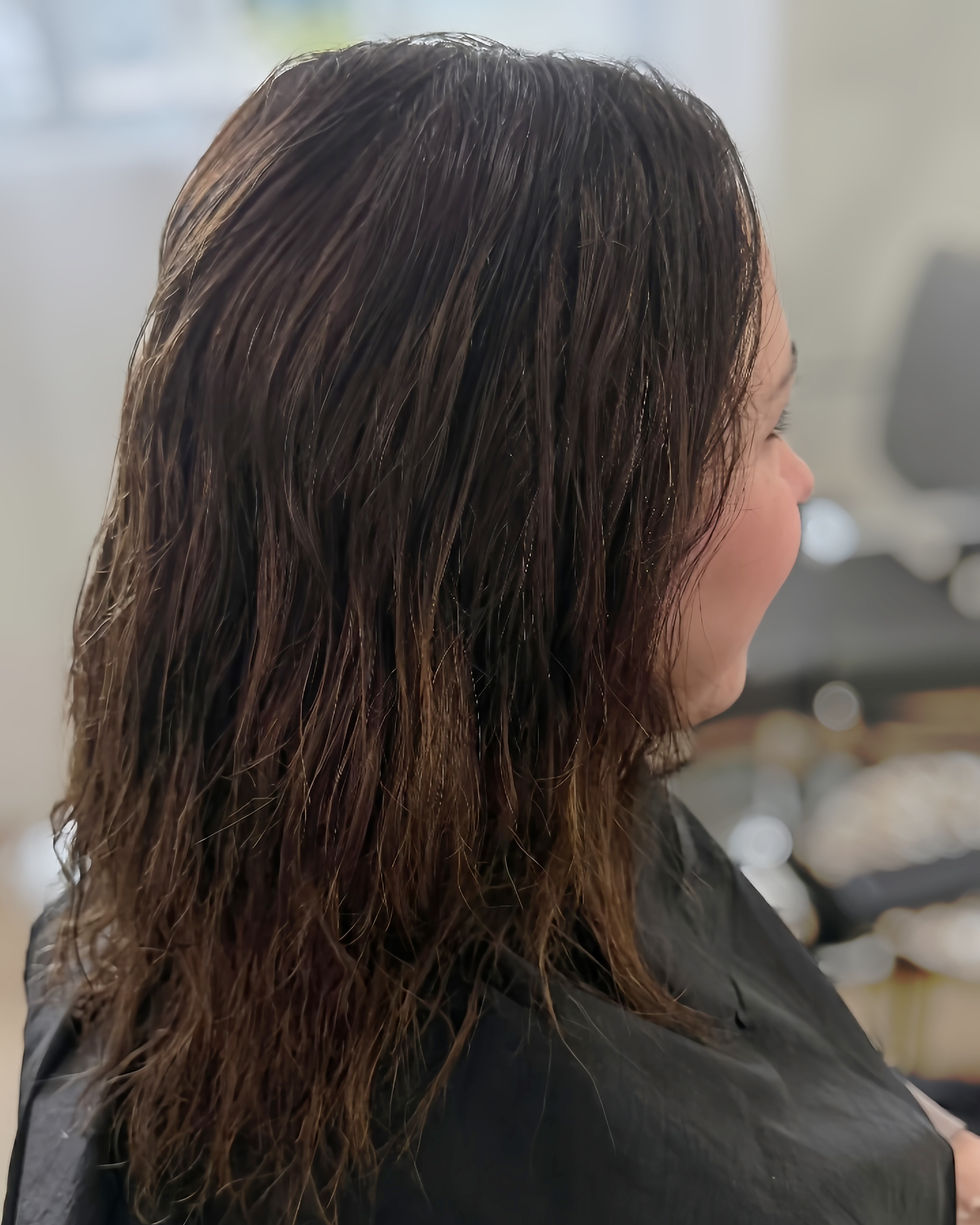
So what actually counts as gray blending?
Gray blending can include techniques like highlights, lowlights, partial coverage, demi-permanent color, glossing, or a combination of these.
The common thread is intention. The color is designed to work with the gray hair, not fight it.
Instead of forcing all the gray to match a darker base, the surrounding hair is adjusted so the gray doesn’t scream for attention as it grows in. The result is more dimension, more movement, and a much softer grow-out.
You will still see gray hair. That’s normal. That’s honest. That’s the point.
What gray blending is not?
Gray blending is not full root coverage.It is not meant to completely hide gray hair.It is not maintenance-free.And it is not a one-size-fits-all service.
If you want a solid, opaque color that hides every gray until the next appointment, that is gray coverage. There is nothing wrong with that. It’s just a different goal.
Gray blending sits in a different category entirely.
Why gray blending lasts longer between appointments?
When hair is fully covered with a darker or solid color, gray regrowth shows quickly because the contrast is strong. A sharp line forms, usually within a few weeks.
With gray blending, there is less contrast at the root. That softer transition means regrowth is less noticeable, which often allows clients to stretch appointments without feeling like their hair looks “done” or neglected.
This is especially appealing for clients who want a more natural look, lower commitment, or a gentler transition as their gray hair increases over time.
Who gray blending is best for?
Gray blending works well for clients who:
Are comfortable seeing some gray hair
Want softer regrowth instead of hard lines
Prefer a more natural, dimensional look
Want to reduce how often they need full root retouches
Are transitioning away from full coverage but aren’t ready to stop coloring altogether
It may not be ideal for someone who wants zero visible gray at all times. That expectation belongs in the gray coverage category.
The bottom line
Gray blending is not about pretending gray hair doesn’t exist. It’s about working smarter with it.
When you understand the difference between blending and coverage, you can choose the approach that actually matches your lifestyle, maintenance preferences, and comfort level with gray hair.
And when expectations are clear, results feel better. Every time.
If you’re located in Fort Lauderdale or nearby and exploring gray blending as a lower-maintenance option, I offer one-on-one consultations designed to help you choose the approach that fits your lifestyle and comfort level.


Comments